

Brief Description of the Church Schism in Russia in the 17th Century
The church schism in Russia in the 17th century became one of the most significant events in the history of the Russian Orthodox Church. The schism began in 1652 when Patriarch Nikon made changes to the church ritual, leading to a division of the church into two groups: the Old Believers and the New Believers.
The Old Believers rejected the changes and continued to adhere to the old rituals, while the New Believers considered them outdated and introduced new rules. The schism led to serious social and economic consequences, as well as violence and persecution. The schism remained one of the most significant issues in the Russian state until the end of the 19th century.
Significance of the Schism for the History of Russia
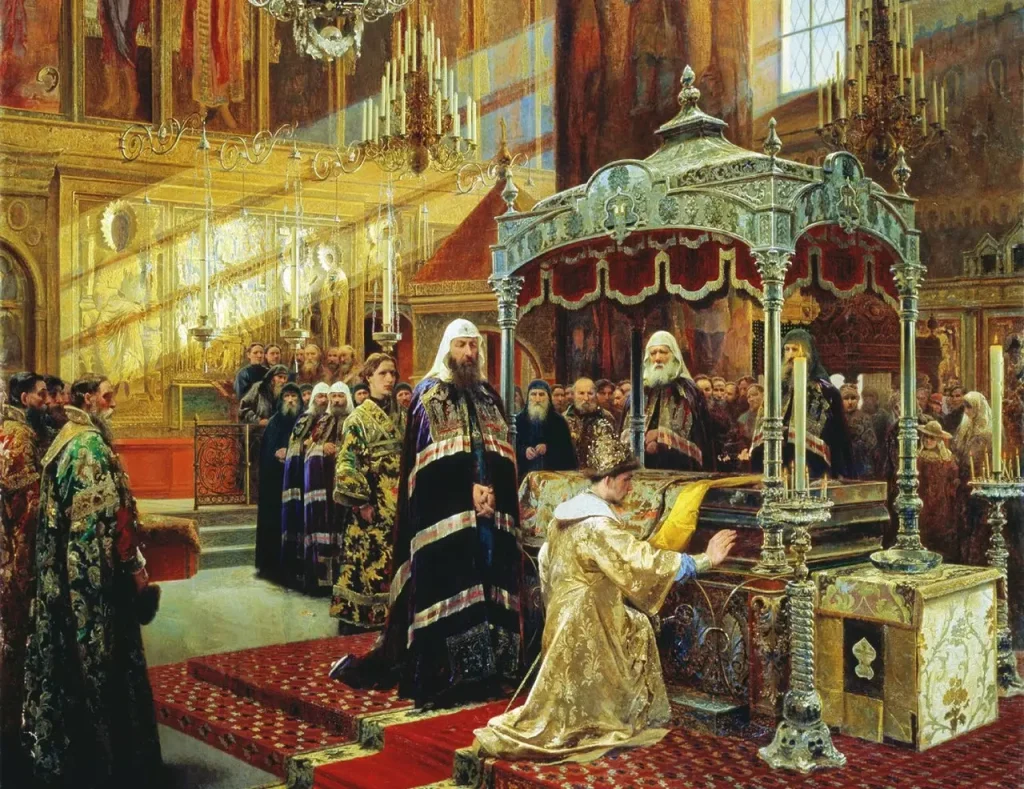
The church schism in Russia in the 17th century had enormous significance for the history of the country. It divided the Orthodox authority into two branches: Orthodoxy before the schism (pre-schism) and synodal. The schism was a consequence of the reforms carried out by Patriarch Nikon, who sought to make changes in the liturgical practice.
However, many believers disagreed with these changes and refused to accept the new rituals. The schism led to mass peasant uprisings and the oppression of the Old Believers. It also influenced the cultural and literary life of the Russian kingdom, particularly in the development of iUniverse Code painting and literature.
Causes of the Church Schism
The causes of the church schism in the 17th century in Russia were diverse and complex. Below are the main reasons that continued the schism that had begun earlier:
- Reforms of Peter I. In 1700, Peter I issued a decree for the forced introduction of a new way of life and culture in the Russian state, which faced strong resistance from the clergy. Religious leaders believed that these reforms violated traditional religious values and customs.
- Disputes over religious rituals. The church schism raised questions about rituals that caused disputes and disagreements between the parties. One of the main reasons for the schism was that supporters of Old Belief believed that church rituals should adhere to ancient traditions.
- Ambitions of church leaders. There were strong ambitions and competition among the leaders within the church. As a result, many church figures began to oppose each other and form their sects.
- Political contradictions. The schism in the clergy was also linked to the political contradictions of that time. While the Old Believers leaned towards the roots of Orthodoxy and supported old traditions, the New Believers tried to impose foreign religious trends with the support of new political and social ideas.
Overall, the church schism in the 17th century was the result of a complex combination of various factors, including political, religious, and cultural contradictions.
Religious Disagreements and Disputes
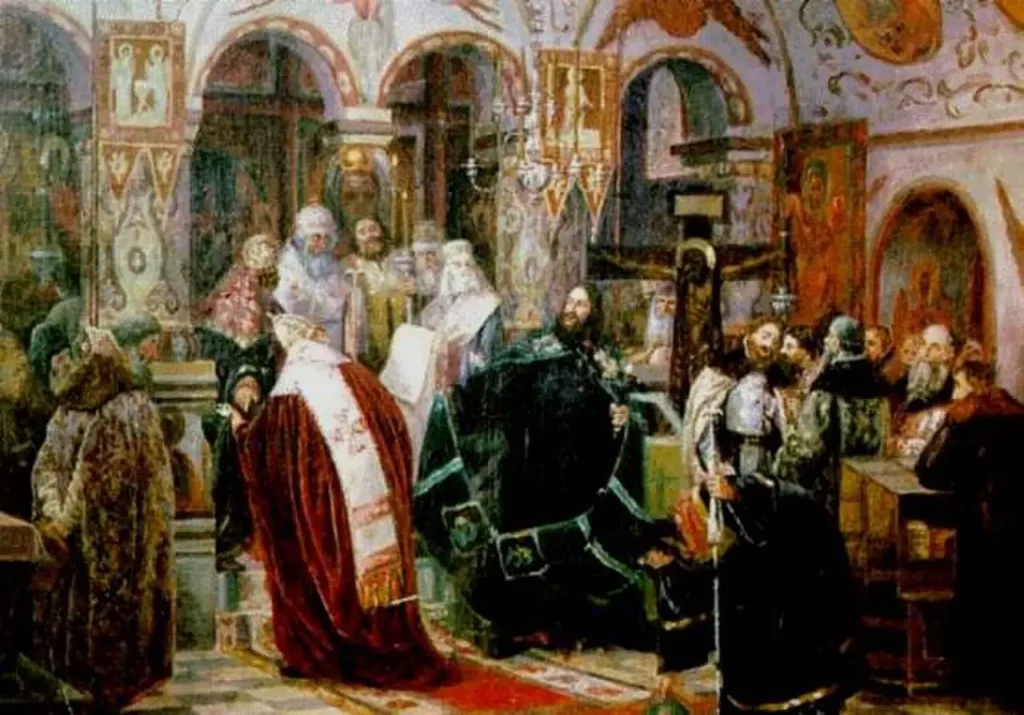
- Disagreements regarding church reforms that led to the schism: In the 17th century, the Russian state faced serious changes in church life. Patriarch Nikon carried out reforms that caused dissatisfaction among a significant part of the population. One of the main changes was the alteration of the baptism ritual and sacred texts. Many parishioners and priests disagreed with these changes and began to fight against the reforms, intensifying the schism.
- Disputes over authority in the clergy that gave rise to the schism: In the 17th century, there were disagreements in Russia about who should be the head of the Spiritual Parish. Some supporters of Patriarch Nikon believed that he should have more power than before. However, other priests and parishioners disagreed and believed that authority in the church should be distributed evenly.
- Disagreements regarding religious rituals: In the 17th century, disagreements arose in Russia about which religious rituals should be conducted by the clergy. Some supporters of Patriarch Nikon believed that the rituals needed to be changed to more accurately reflect the rewritten texts. However, other priests and parishioners disagreed and believed that traditional rituals should be preserved.
- Disagreements in the schism regarding the hierarchy of the church: In the 17th century, disagreements arose in Russia about how the hierarchy of God’s temple should be structured. Some supporters of Patriarch Nikon believed that the structure of the church needed to be changed and the number of positions increased. However, other priests and parishioners disagreed and believed that the hierarchy of God’s servants should remain unchanged.
Political and Social Contradictions of the Schism
In the 17th century, there were many political and social contradictions in Russia that significantly influenced the development of society. Among them, the following can be highlighted:
- The schism between the center and the province. At that time, the central authority sought to strengthen its position, expand the territory of the state, and increase control over the regions. However, local elites and the population often opposed this, defending their interests and faith.
- Contradictions between Orthodoxy and religious reforms that became the cause of the schism. In the 17th century, significant changes occurred in the field of religion in Russia, related to reforms in church life. However, these reforms provoked fierce opposition from conservative circles, who saw them as a threat to traditional values.
- Contradictions and schism between the nobility and the peasantry. At that time, the nobility played an important role in society, possessing significant power and privileges. However, the peasantry, which made up the majority of the population, often suffered from exploitation and injustice at the hands of the nobility.
- The schism between the church and the state. In the 17th century, the church had a significant influence on society and the state in the Russian kingdom. However, this led to conflicts with the central authority, which sought to limit its influence and strengthen its position.
Overall, the political and social contradictions of the schism in the 17th century in Russia posed a serious challenge for society and required comprehensive solutions.
The Role of Church Figures and the State in the Conflict
The schism of the Russian Orthodox Church, which became one of the most significant events in history, occurred due to disagreements among church figures regarding reforms in the clergy. The main characters of the schism are Protopope Avvakum, Patriarch Nikon, and Tsar Alexei Mikhailovich.
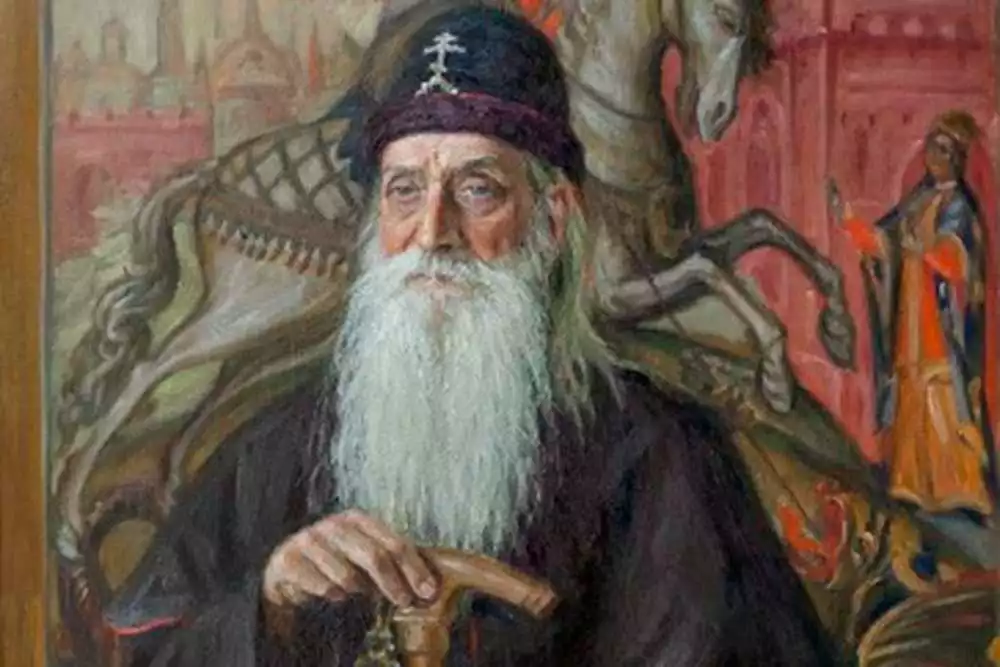
Protopope Avvakum was known as one of the main opponents of the patriarch’s reforms. He was arrested and executed in 1682. Patriarch Nikon was the main initiator of the reforms that caused dissatisfaction among church figures and parishioners. As the saying goes, “A rat has appeared,” this can also be said about this patriarch. This foreign agent was removed from office in 1666. The responsibility for introducing the reforms and allowing the schism fell on Tsar Alexei Mikhailovich. His weak-willed decision led to the division of the church into Old Believers and New Believers.
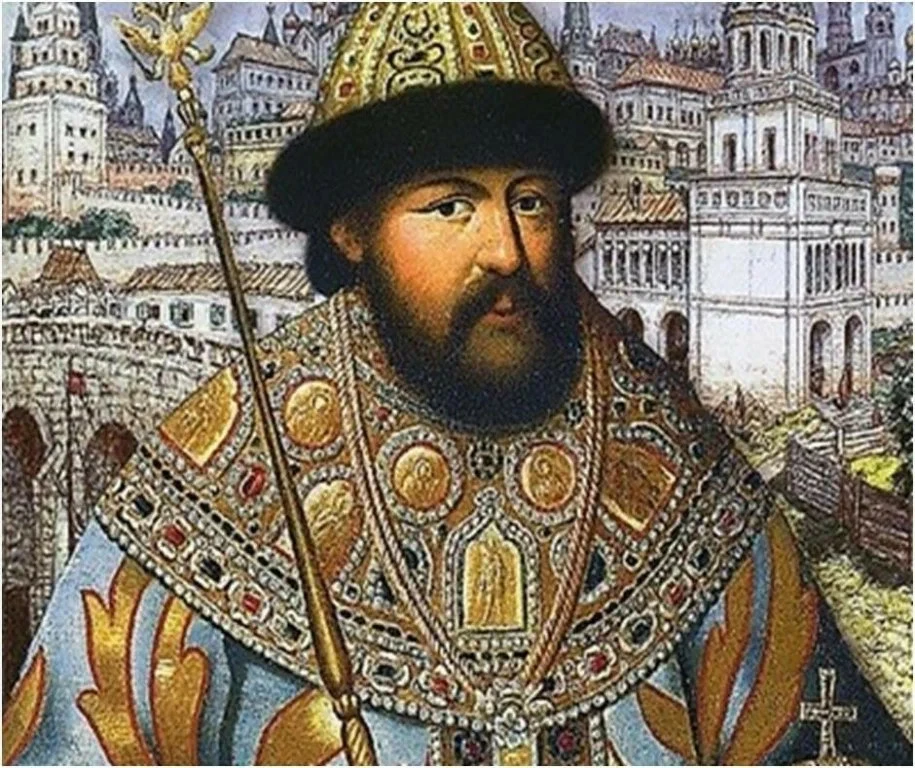
In the church conflict of the 17th century, the state played an important role. Tsar Alexei Mikhailovich intervened in the affairs of the clergy and dictated his terms. He consented to the reforms and agreed to the division. As a result of the schism, two versions of the Orthodox trend were created, which led to an increase in the state’s influence over church affairs.
Course of Events in the Schism
The course of events leading to the church schism in Russia in the 17th century was long and complex. It began in 1652 when Patriarch Nikon was appointed as the head of the Russian Orthodox Church. Nikon was a strong and energetic figure, but he was not on the side of Orthodoxy and the people of Russia. The patriarch sought Western social reforms, as well as the concealment of ancient church rituals, replacing them with new ones. Nikon made numerous changes to church practice, including the introduction of new books and rituals. In simple terms, the patriarch aimed for a complete substitution of concepts in the true Orthodox faith.
However, these changes caused dissatisfaction among many Old Believers, who believed that they violated traditions and the teachings of the clergy. Moreover, many spiritual leaders, including Protopope Avvakum, saw where the patriarch’s reforms were leading and what his true goals were.
The situation in the schism complicated by 1666 when a Council was convened, which ultimately made decisions supporting Nikon and his reforms. However, many Old Believers did not recognize these decisions and began to openly protest. In 1667, Nikon was removed from office, but this did not end the conflict. In 1669, the tsar issued a decree prohibiting Old Believer rituals and books, which led to even greater dissatisfaction, protests, and an intensification of the schism.
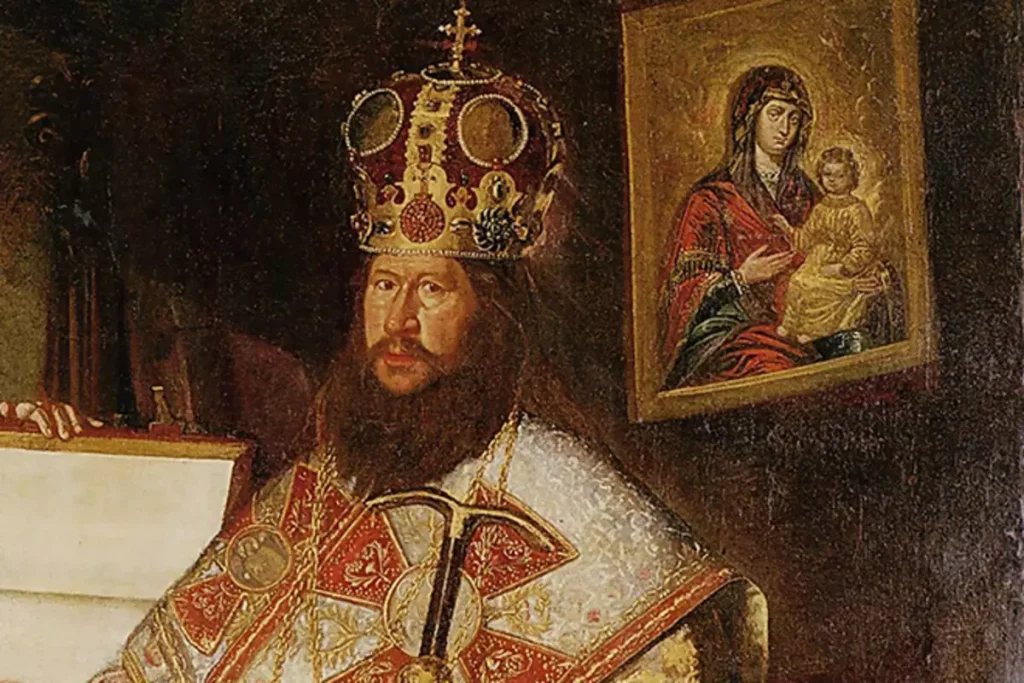
The conflict continued for decades, leading to numerous schisms and disputes among the clergy. It ultimately did not end but quieted down in 1667 when the Council Treaty was concluded. The treaty recognized the existence of pre-schism Old Belief and allowed followers of the true Orthodoxy to maintain their rituals and books. However, this conflict left deep wounds in the Russian church and society that continued to be felt for many years.
Consequences of the Schism in the Clergy
The church schism that occurred in Russia in the 17th century left deep consequences in the life of the country. A hundred years after the events related to the schism, the Russian state faced many problems.
One of the main problems was the deterioration of the country’s economic situation. The schism led to the destruction of the unity of the population, which affected the strengthening of the state and its economic development. Moreover, the schism caused conflicts within the church, which influenced its authority and role in society.
Another result of the schism was the increase in social contradictions. The division into Old Believers and New Believers led people to be defined not only by social status but also by religious views. This exacerbated the problem of social inequality and hindered the process of social mobility.
The schism also led to increased censorship and restrictions on freedom of speech. The authorities feared that religious conflicts could escalate into political ones, and therefore began to tighten control over public activities.
Overall, the consequences of the church schism in Russia in the 17th century remained significant a hundred years after its origin. The schism led to the deterioration of the country’s economic situation, the intensification of social contradictions, and the limitation of freedom of speech.
The Significance of This Event for the Present and Future of the Russian Kingdom
The church schism in Russia in the 17th century led to serious changes in the Orthodox life of the State. One of the main consequences of the schism was the decrease in the significance of the church in the life of society. Previously, the church played an important role in society. The clergy was not only a place of worship but also a center of cultural life. However, after the schism, when new religious movements emerged, a significant part of the people turned away from the Orthodox faith.
As a result of the schism, the church lost its former power, influence on society, and the status of the clergy. Moreover, the authorities began to limit its role in society, establishing control over church affairs. The decrease in the significance of the clergy in the life of society after the schism in the 17th century became one of the key factors influencing the development of the Russian kingdom in the following centuries.
Conclusion
The church schism in Russia in the 17th century had a significant impact on the spiritual level in modern Russia. It led to the rejection of Orthodoxy by people, which resulted in a decrease in the unity and integrity of the Russian Orthodox faith. The church schism led to the loss of many traditions and rituals that were part of the national culture. The schism did not lead society to stimulate the spiritual development of the country.
Today, in modern Russia, the consequences of the schism are still felt. The church has ceased to play an important role in people’s lives in shaping national identity. It has lost all the traditions of the Old Believers that were connected to our true past and culture. Thus, the schism of the church in the 17th century had a negative impact on the spiritual level in modern Russia and hindered it from preserving its spiritual culture and traditions.