

Brief Description of Chinese Religious Culture
What religions have been practiced in China for a long time, and which ones have come relatively recently? Chinese religious civilization has a long and rich history that includes traditional beliefs such as Confucianism, Daoism, and Buddhism. Confucianism centers on respect for elders and ethics, while Daoism emphasizes harmony with nature and self-awareness.
Buddhism, which came to China from India, places great importance on enlightenment and living according to the Eightfold Path. The Chinese also practice traditional rituals, such as ancestor worship ceremonies and festivals related to the lunar calendar. Religion plays an important role in the cultural and social life of the Chinese people, and its influence is felt throughout the country.
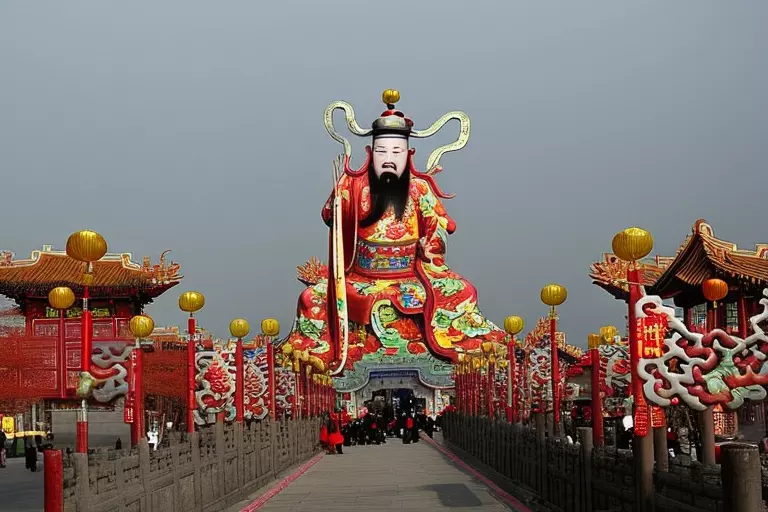
The Role of Religion in Chinese Society
Which religions in China play an important role in society? In the Middle Kingdom, there are many religious traditions, including Buddhism, Daoism, Confucianism, and Christianity. Each has its own characteristics and adherents.
Buddhism is considered one of the most widespread religions in the Middle Kingdom. The religion came from India and quickly became part of Chinese subculture. Buddhist temples can be found throughout the country, and many Chinese visit them to pray and seek spiritual guidance.
Daoism, another well-known religion, places a strong emphasis on health and longevity. It highlights the importance of harmony with nature and inner peace.
Confucianism, one of the oldest religions, teaches people to be spiritual beings and just leaders. The teachings of Confucius focus on family values and child-rearing.
Christianity, although a relatively new religion, is gaining popularity among the youth. Many Chinese find spiritual comfort and support in it.
Overall, religion plays an important role in Chinese society, helping people find their way and providing spiritual support in difficult times.
Traditional Chinese Religions
Which religions in China are considered traditional? Traditional Chinese religions include Daoism, Confucianism, and Buddhism. Each of these religions has its unique teachings and practices rooted in Chinese civilization and history. Daoism, for example, teaches people to live in harmony with nature and strive for immortality.
Confucianism, on the other hand, emphasizes ethics and social organization. Buddhism, in turn, teaches people to achieve enlightenment and free themselves from suffering. All three religions continue to be an important part of the ethics and beliefs of the Chinese people today.
Confucianism
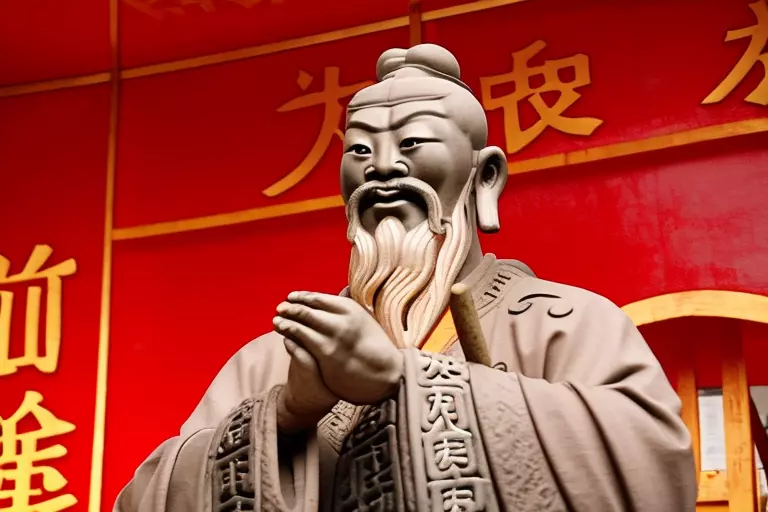
Confucianism is one of the oldest philosophical systems that originated in China in the 6th century BC. The religion is based on the teachings of Confucius, who called for moral purity, respect for elders, justice, and humanism. Today, Confucianism remains one of the most widespread religious systems, with adherents making up about 5% of the country’s population.
One of the features of Confucianism is its philosophical nature, which does not include divine beings or supernatural phenomena. Instead, Confucianism focuses on personal development and achieving harmony in society.
Confucian teachings have had a significant impact on education in the Middle Kingdom, including language, literature, art, and lifestyle. They have also significantly influenced neighboring territories such as Japan and Korea.
Although Confucianism does not represent an official religion of the Middle Kingdom, it remains an important part of the culture and traditions of the country. Adherents of Confucianism continue to follow the teachings of Confucius, striving for moral improvement and harmony in society.
Daoism
Daoism is one of the oldest religions in the PRC, existing for over 2,000 years. It is based on the teachings of Laozi, who is considered its founder. The main principle of the religion is to live in harmony with nature and the universe, as well as to strive for immortality.
Today, Daoism has become one of the most widespread religions, with about 30% of the population of the Middle Kingdom practicing this faith. However, it should be noted that many people in China mix Daoism with Buddhism and Confucianism, making their beliefs unique and individual.
Daoism has its unique features, such as the teaching of Qi – the life energy that permeates all existence, and the teaching of Yin and Yang – two opposing forces that interact in the world. In Daoism, it is important to maintain a balance between one’s body and spirit and to strive for harmony in everything that is done.
Overall, Daoism is a unique and interesting religion that has many followers in the PRC and beyond. Its features and teachings may be appealing to those seeking new ways of living and spiritual development.
Shintoism
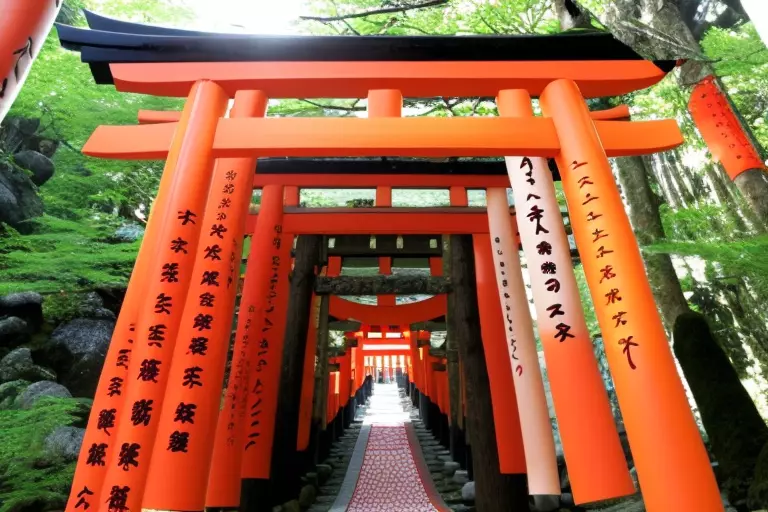
Shintoism is a traditional religion of the Middle Kingdom that has existed for over a thousand years. It combines elements of shamanism, animism, Confucianism, and Daoism. The main deity in Shintoism embodies Shandi – the saint of heaven and earth.
Shintoism does not have an official hierarchy or church but includes many local cults and rituals. It also differs from other religions in that it lacks a clear doctrine and creed.
According to recent data, about 20% of the population of the PRC practices Shintoism. It is most widespread in the northern provinces of China, such as Shanxi and Shandong, and on the island of Taiwan.
Shintoists believe that the spirits of ancestors and nature influence their lives and health, and therefore they conduct many rituals and ceremonies to honor them. Shintoism is associated with traditional Chinese holidays, such as the New Year and the Boat Festival.
Overall, Shintoism is an important part of the culture and traditions of China and continues to play a significant role in the lives of many Chinese people.
Folk Religions
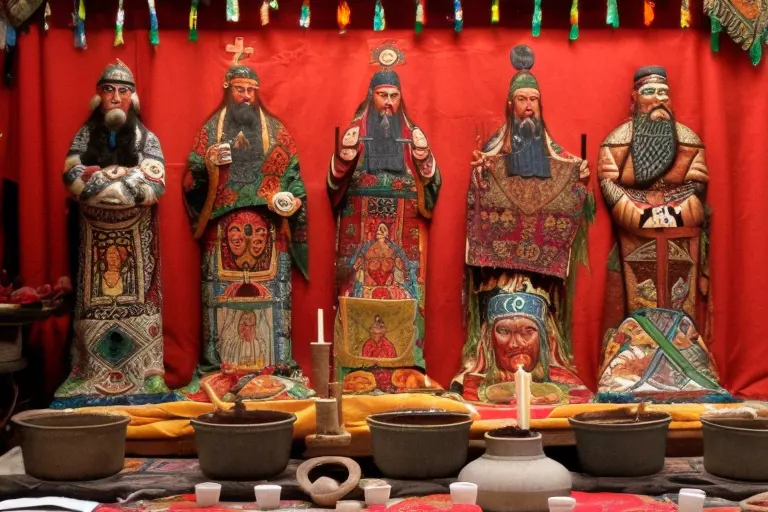
Which religions in China are considered folk religions? Folk religions are one of the features of religious life in the PRC. They represent a mixture of ancient beliefs, myths, and rituals that have been preserved over the centuries. One of the most well-known folk religions is Daoism, which is considered one of the traditional Chinese teachings. Additionally, in the Middle Kingdom, Daoism intertwines with Buddhism, Confucianism, and Tibetan Buddhism.
It is estimated that about 80% of the population of China is involved in folk religions. This is because they encompass a wide range of beliefs and views of the world. Folk religions include many rituals, holidays, and ceremonies that are an integral part of ethics and folk wisdom.
Folk religions in the People’s Republic of China play a special role in people’s lives. They help people find their place in the world, understand their role in life, and find harmony with their environment. Religions also help people find answers to questions about life and death, the meaning of life, and what happens after death. Overall, folk religions are an inseparable part of the cultivation and traditions of the Middle Kingdom. They are passed down from generation to generation.
Imported Religions
Which religions in China are imported? In the Middle Kingdom, there are several imported religions, including Buddhism, Christianity, Islam, and Zen Buddhism. Buddhism is the most widespread imported religion, with more than 20% of the population practicing it.
Christianity has a significant presence in the PRC, especially in the south and east of the country. Islam is prevalent in the Xinjiang and Ningxia-Hui provinces, while Zen Buddhism is found in Fujian province. Despite the fact that the state is atheistic, imported religions continue to attract a significant number of followers.
Buddhism
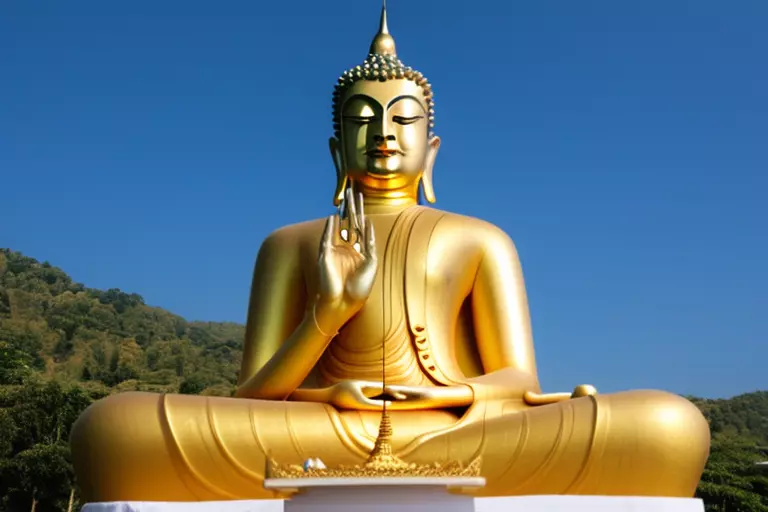
Buddhism is one of the major religions in China, with over 100 million followers. This ancient philosophy, which originated in India, arrived in the 1st century AD and became very popular among the local population. Buddhism in the People’s Republic of China has its unique features that distinguish it from other countries.
For example, there are three main branches of Buddhism: Mahayana, Theravada, and Vajrayana. Buddhism is closely linked to culture and art, including Chinese medicine and philosophy. Today, Buddhism is one of the most widespread religions in the Middle Kingdom, involving about 18% of the resident population.
Islam
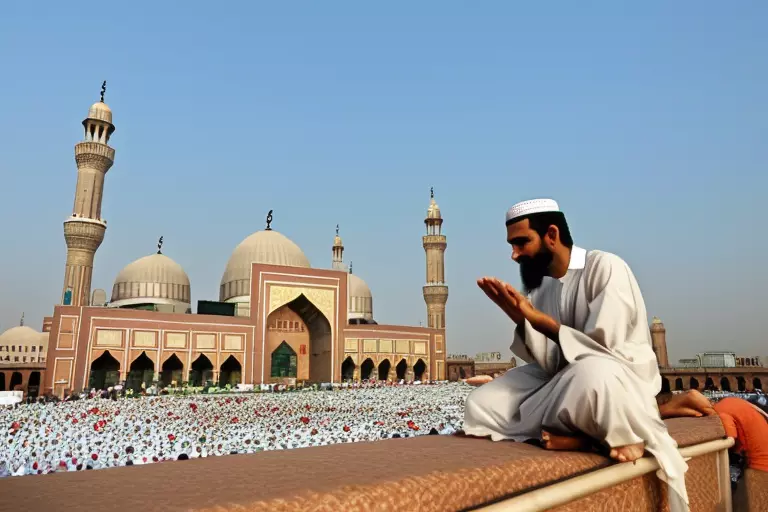
Islam is another major religion in the Middle Kingdom, although it is not the most widespread. According to recent data, about 1.8% of the population practices Islam, which amounts to about 24 million people. Most Muslims are located in Xinjiang province, where they make up about 45% of the population.
One of the features of Chinese Islam is its strong distinction from traditional Islam, which is prevalent in other countries. Chinese Muslims are characterized by their culture and traditions, which blend elements of Islam and Chinese ethics.
Additionally, Chinese Islam is known for its centuries-old historical ties with China and neighboring countries. Muslims in the Middle Kingdom are also known for their beautiful mosques and mausoleums, which are important tourist attractions.
Overall, Islam has become an important religion in the Middle Kingdom, and Muslim communities continue to thrive and develop in various regions.
Christianity
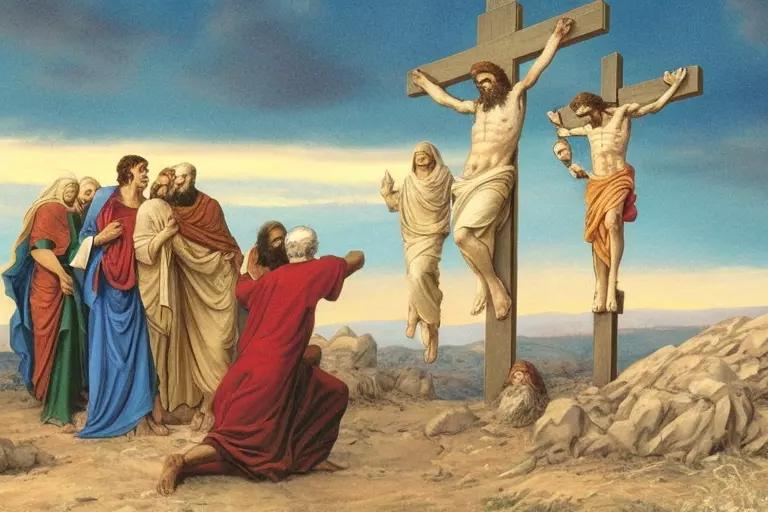
Christianity has reached the Middle Kingdom but has not become one of the most widespread religions in the PRC. According to recent data, about 5% of the population practices this religion. Christianity has its own characteristics. For example, Chinese Christians often practice syncretism, which means mixing Christian beliefs with traditional Chinese rituals and cults.
There is also state control over religious organizations in China, including Christian churches. Despite this, the Christian religion continues to attract new believers, especially among the youth. Christianity in the Middle Kingdom has its unique recent past and is not a significant part of the country’s religious landscape.
The Influence of Religion on Chinese Civilization
Religion plays an important role in Chinese cultivation, and its influence is felt at all levels of society. One of the main factors influencing the civilization of the Middle Kingdom is Buddhism. It was introduced to China in the 3rd century BC and has since become an integral part of Chinese culture. It has influenced many aspects of the lives of the Chinese, including art, music, architecture, and philosophy.
Another important religion influencing Chinese ethics is Daoism. It teaches the Chinese to live in harmony with nature and respect their elders. The influence of Daoism can be seen in Chinese medicine, folklore, and art.
Moreover, Confucianism has had a significant impact on Chinese culture. It teaches the Chinese to respect their elders and follow certain rules of behavior. Confucianism has influenced Chinese literature, philosophy, and art.
Religious Holidays and Traditions
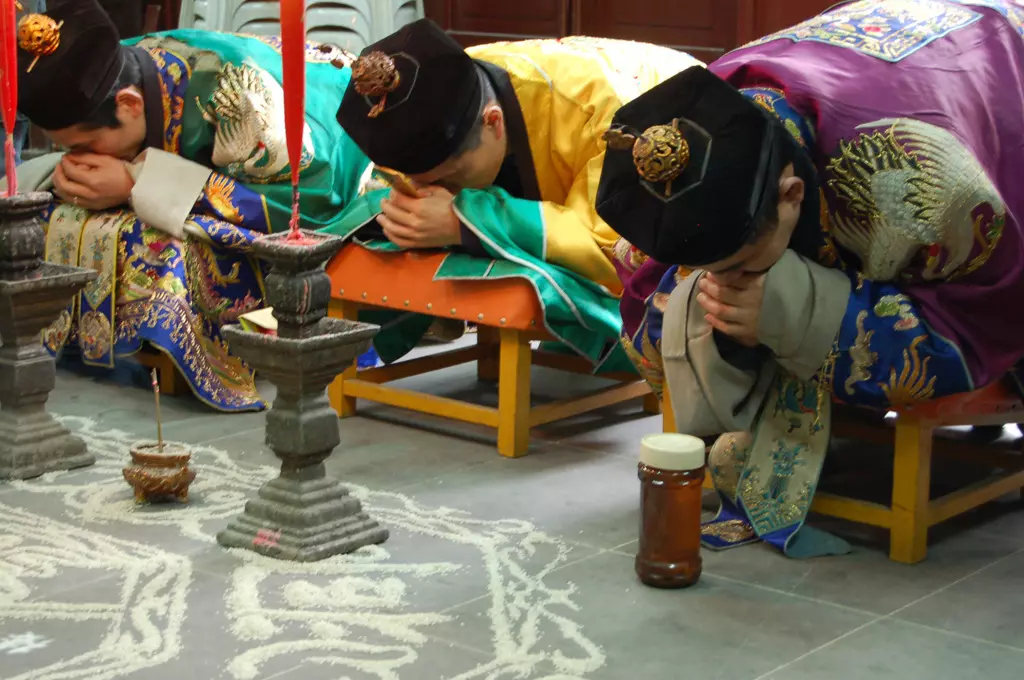
China is a multinational state where several religions exist, each with its own holidays and traditions. The least widespread but significant is Buddhism, which has about 100 million followers.
In Buddhism, the main holiday is the New Year, celebrated on the first day of the first lunar month (usually occurring in late January or early February). On this day, people decorate their homes, prepare traditional dishes, and hold ceremonies in temples.
Another widespread religion is Daoism, which also has its holidays. One of them is the Day of Yanyan, which falls on the 15th day of the first lunar month. On this day, people visit temples and pray for luck and prosperity in the new year.
Additionally, Confucianism exists in the Middle Kingdom, with its own traditions and holidays. One of them is the Day of Respect for Elders, celebrated on the third Sunday of September. On this day, people visit their relatives and respected elders to express their gratitude and respect.
Influence on Art and Architecture
Which religions in China have influenced mentality and traditions? Religion has always been an important factor influencing art and architecture. In China, Buddhism, Daoism, and Confucianism have had a tremendous impact on civilization and art. Buddhist temples, such as the Longmen Grottoes and Potala, are magnificent examples of Buddhist architecture.
Daoism and Confucianism have radically influenced art. Chinese gardens and Chinese paintings, for example, are manifestations of ideals associated with these religions.
The Current State of Religion
Official State Policy Towards Religion
Which religions in China are controlled by the ruling clans? The official policy of the Middle Kingdom (as the Chinese consider themselves) towards religions is based on the principle of separation of church and state. The state does not officially recognize any religion, and all religious organizations must be registered and controlled by the government. The PRC recognizes five officially recognized religions: Buddhism, Daoism, Islam, Catholicism, and Protestantism.
However, Chinese religious traditions also include Confucianism, Daoism, folk beliefs, and other minority religions. Chinese authorities call for respect for religious rights and freedoms, but strictly control religious practices.
The Role of Religion in Modern Chinese Politics
Religion plays an important role in politics, despite the fact that the state is officially atheistic. However, the government strictly controls all religious organizations and activities to prevent possible political influence.
In recent years, the PRC has intensified measures to control religious communities, especially Uyghur Muslims and Tibetan Buddhists. Nevertheless, religion remains an important aspect of culture and public life, and many Chinese continue to practice their religious beliefs.
Prospects for the Development of Religion in the Middle Kingdom
Which religions in China are most promising for the majority of believers? The prospects for the development of the state of religions in the Chinese state are very interesting. In recent years, the Chinese government has become more tolerant of religious beliefs, leading to the growing popularity of various religions in the territory. Buddhism, Daoism, and Confucianism are the most widespread religions in the Middle Kingdom. However, Islam and Hinduism have also begun to attract their followers.
Modern Middle Kingdom is a multicultural state, and more and more people are turning to religion in search of spiritual support and comfort. This creates great opportunities for the development of religious communities and attracting new followers.
However, despite the growing interest in religion, the government continues to control and regulate religious organizations. This may create some limitations for the development of religious communities in the country.
Overall, the prospects for the development of religions in the PRC remain positive, and more and more people are turning to religion in search of spiritual support and comfort.
“`